

Dress codes & occasions
What to wear to the races
Every racecourse, and often every enclosure, sets its own dress code. Learn the general rule, read the course’s own, and dress a little above it.

Start with the course’s own dress code
Racecourses set their own dress codes, and many set a different one for each enclosure. The premier or members’ enclosure often asks men for a jacket and tie; the cheaper enclosures are usually more relaxed. Big meetings are stricter than ordinary race days: the same course may want a suit and tie for its festival and no more than a jacket at a midweek meeting.
Check the racecourse’s website for the meeting you are going to, close to the day — codes are revised, and this year’s rules may not be last year’s. When in doubt, wear a tie. You will never be turned away for wearing one.
A summer flat meeting
- What men usually wear
- A lightweight suit, or a blazer and trousers
- The tie
- Silk, in a summer colour or a racing design
Royal Ascot, Royal Enclosure
- What men usually wear
- Morning dress and a top hat
- The tie
- A silk tie — check the current rules
Royal Ascot, other main enclosures
- What men usually wear
- A suit and tie
- The tie
- Silk, with colour but not noise
Winter jump racing
- What men usually wear
- Tweed or flannel, and an overcoat
- The tie
- Wool, knitted or a country silk tie
An ordinary race day
- What men usually wear
- A jacket or a suit
- The tie
- Often asked for in the premier enclosure
Summer meetings and Royal Ascot
Summer flat racing is the dressier half of the year. Wear a lightweight suit in navy, grey, stone or a soft check, a pale shirt, and a silk tie with some colour in it. A panama if you like hats — but check whether your enclosure has rules about them.
Royal Ascot is the most formal of them all. The Royal Enclosure asks gentlemen for black or grey morning dress with a waistcoat and tie, and a top hat; the other main enclosures ask for a suit and tie. The rules are detailed and are revised from time to time, so read Ascot’s current dress code before you go. With morning dress there, a tie rather than a cravat is the safe choice.
If you don’t own morning dress, hire it, and bring your own tie. A hired morning suit looks like everyone else’s; the tie is where it becomes yours.
Winter jump racing
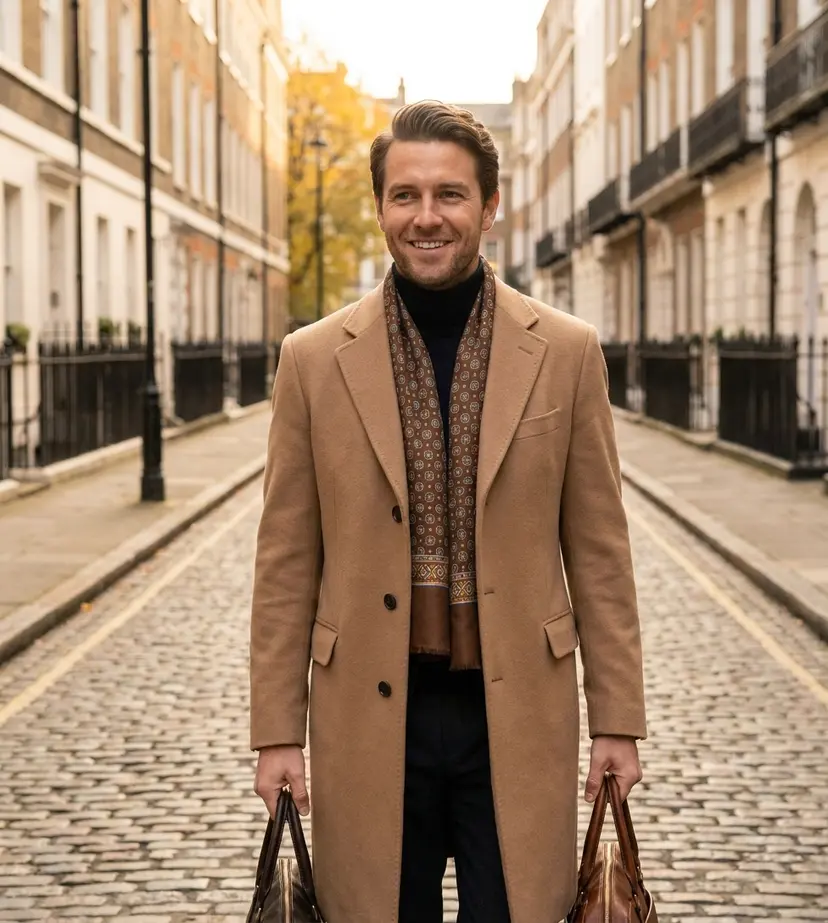
Jump racing runs through the winter, and the crowd dresses for the weather: tweed jackets and suits, flannel trousers, a waxed jacket or an overcoat, and shoes or boots that can cope with wet grass.
This is the country’s racing, and the country tie belongs here: a wool tie in moss or rust, a square-ended knitted tie, or a silk tie with horses or game birds. Add a scarf over the coat and gloves for the parade ring.
Racing ties
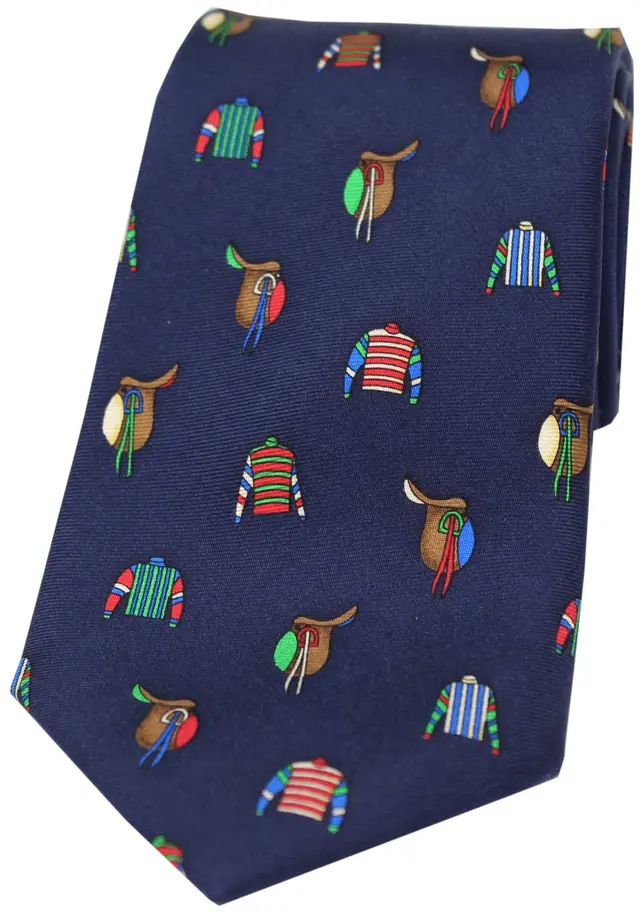
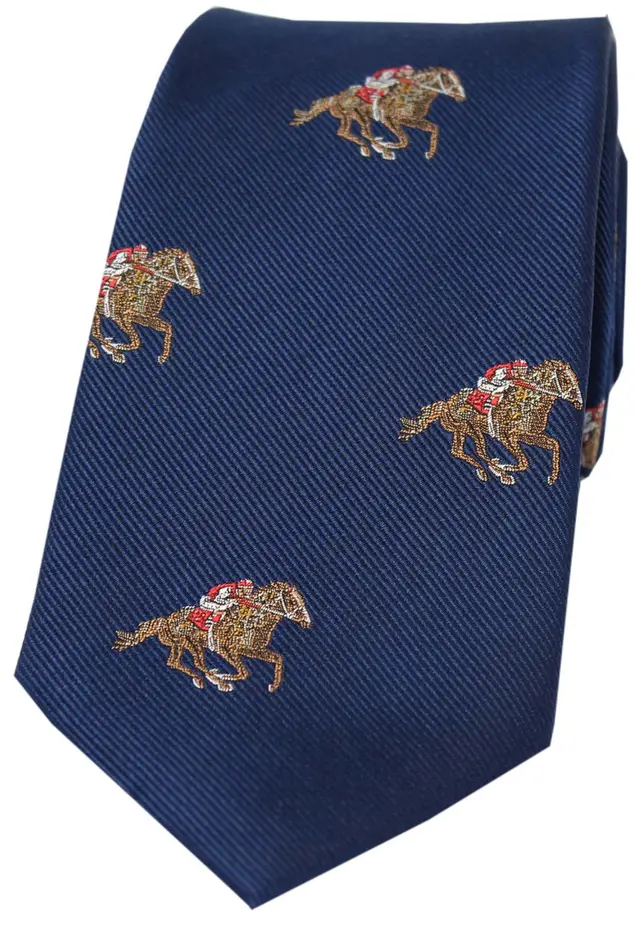
A tie with a racing design nods to the day without shouting about it. Small, repeated motifs — jockeys, saddles, racing colours, horses at the finish — read as a neat pattern from across the paddock and as horses only up close.
Our racing ties include jockeys and horses on blue, racing colours and saddles on navy and the final furlong on navy. A navy ground suits grey, stone and tweed; wear it with a plain shirt so the design has room.
All racing ties —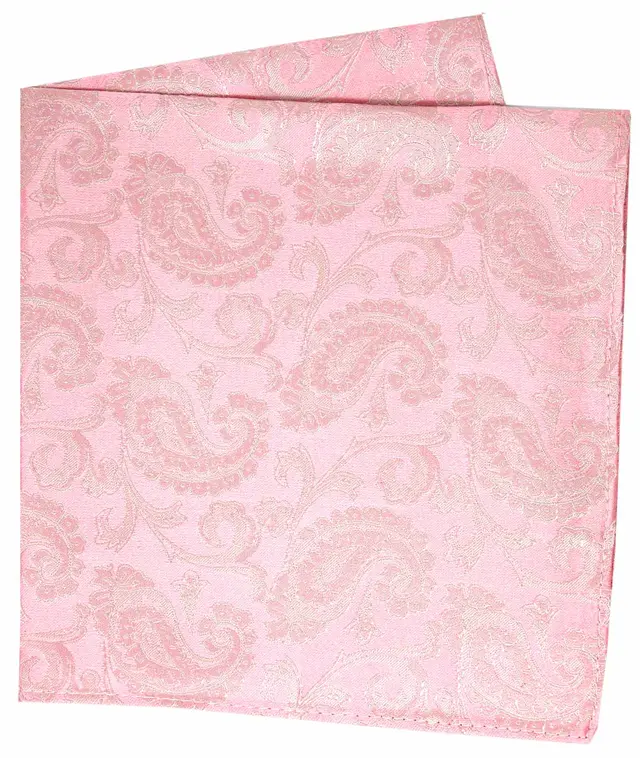
Colour and the pocket square
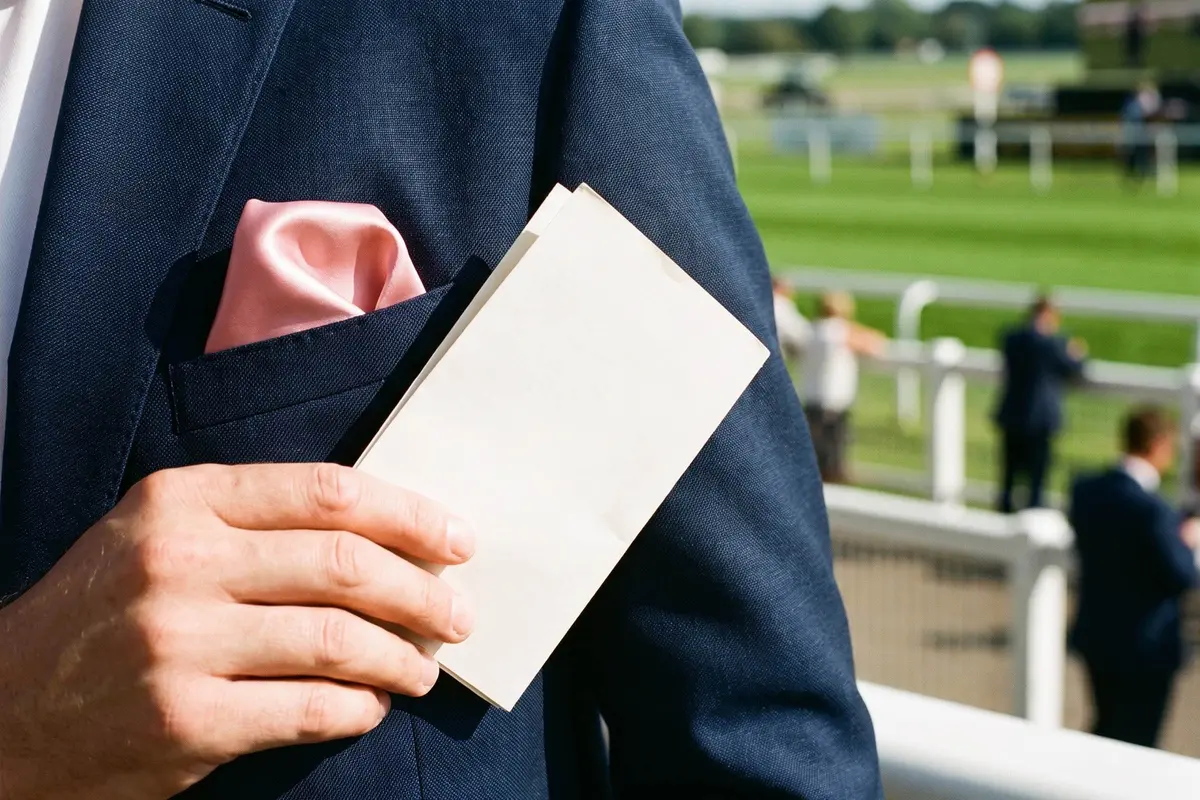
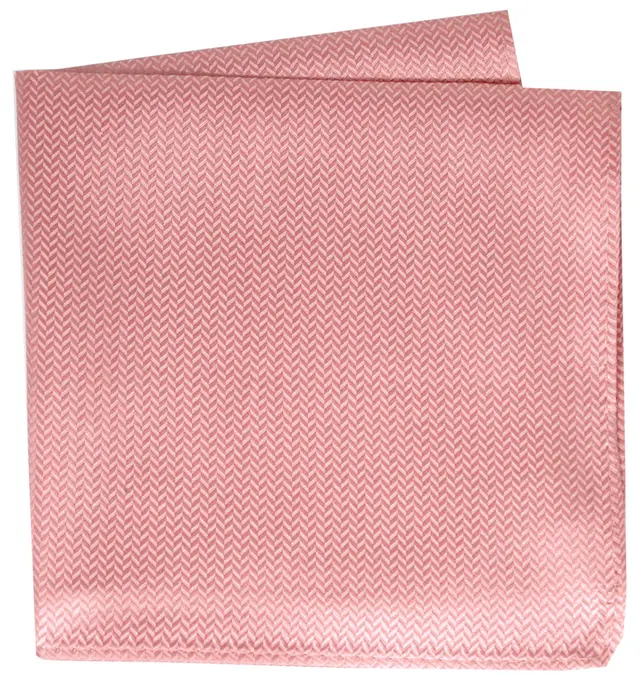
The races are one of the few days when colour on a man is welcome rather than merely forgiven. The jockeys wear every colour there is, and nobody minds a pink tie. Pink, lemon or sky blue in summer; gold, wine or green in winter. Let the pocket square pick up one colour from the tie rather than match it.
Fold the square loosely — a puff or a three-point fold suits a day outdoors. If you own a horse, or a share in one, its colours make a fine tie and pocket square for the day it runs.
All pocket squares —Practical notes
- Shoes you can walk in. Racecourses are large, and the lawns are often soft.
- A tie bar keeps the tie out of the wind and out of your lunch.
- Braces hold trousers well through a day on your feet, and stay out of sight under a jacket.
- A layer for later. Summer afternoons on an open course turn cool after the last race.
- Silk in summer, wool in winter: the cloth of the tie should suit the weather as well as the suit.
Questions
Anything else? Call us on +44 (0)20 3232 5900
Do you have to wear a tie at the races?
It depends on the course and the enclosure. Premier and members’ enclosures often ask men for a jacket and tie; check the racecourse’s own dress code for the day.
What do men wear in the Royal Enclosure at Royal Ascot?
The Royal Enclosure asks for black or grey morning dress with a waistcoat and tie, and a top hat. The rules are revised from time to time, so check Ascot’s current dress code before you go.
What should a man wear to the races in winter?
Tweed or flannel with an overcoat, a wool or country silk tie and a scarf. Wear shoes or boots that can cope with wet grass.
Can I wear a racing tie to the races?
Yes — it suits the day. Choose a small, repeated design on a dark ground, and wear it with a plain shirt.