

Dress codes & occasions
Business dress codes explained
Four phrases, one question underneath them all: is a tie expected? How to read each code, and what to knot when it is.
Four phrases, one question underneath them all: is a tie expected? How to read each code, and what to knot when it is.
The code in brief
- most formal first
- Four codes
- the most professional tie colours
- Navy or wine
- a tie at business casual, never wrong
- Optional
- the tie for smart casual
- Knitted
Four codes, most formal first
Offices, invitations and job adverts use four phrases for what to wear. They overlap, and every firm reads them its own way, so take what follows as the convention — and the workplace itself as the final word.
Business formal
- What
- A dark suit, a white or pale blue shirt, black shoes
- The tie
- Yes — plain or a quiet pattern
Business professional
- What
- A suit in any sober colour, a collared shirt, leather shoes
- The tie
- Usually — with room for colour and pattern
Business casual
- What
- A jacket or blazer with odd trousers, or a suit worn open-necked
- The tie
- Optional — and never wrong
Smart casual
- What
- Smart trousers or chinos, a collared shirt, a jacket if you like
- The tie
- Rarely — knitted or wool if you do
The further down the list, the more the tie is your choice rather than the office’s.
Business formal
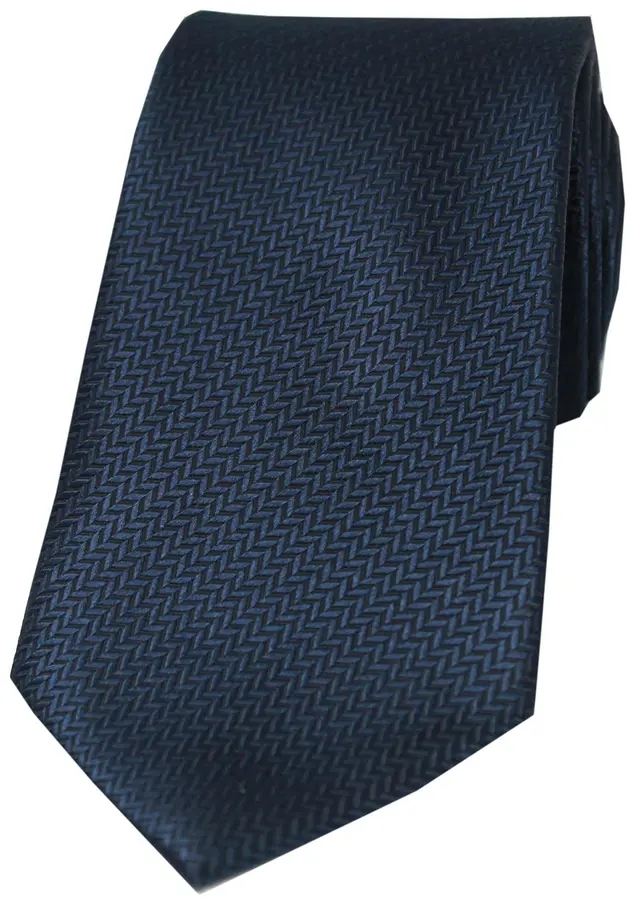
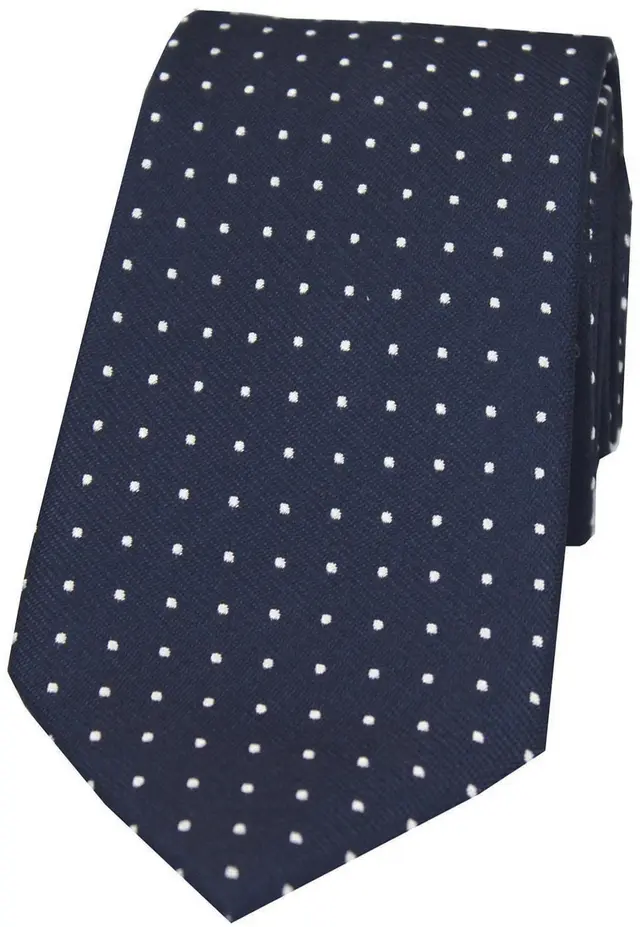
The board meeting, the client presentation, the formal lunch. A navy or charcoal suit, a white or pale blue shirt, black shoes and a silk tie. This is the code for plain silk ties and the quietest patterns — small neats, a fine stripe, a pin dot.
Keep the tie darker than the shirt and let the tip end at the waistband. Wine and deep green work with either suit; navy belongs with the charcoal. Matching a tie to a suit and shirt covers the rest.
A white pocket square, folded flat, is all the decoration the code needs — and even that is optional.

Business professional
The everyday suit-and-tie office. The suit can be grey, blue or a lighter cloth, and the tie has more room: striped ties in two or three colours, polka dot ties with a larger spot, neat patterns, a paisley on a dark ground.
One rule keeps it right: one bold pattern at a time. A striped tie wants a plain shirt; a striped shirt wants a plain or neat tie.
This is also where a little personality is welcome — a wine paisley on Monday, a polka dot on Friday. If the people above you wear brighter ties, so can you.
Business casual
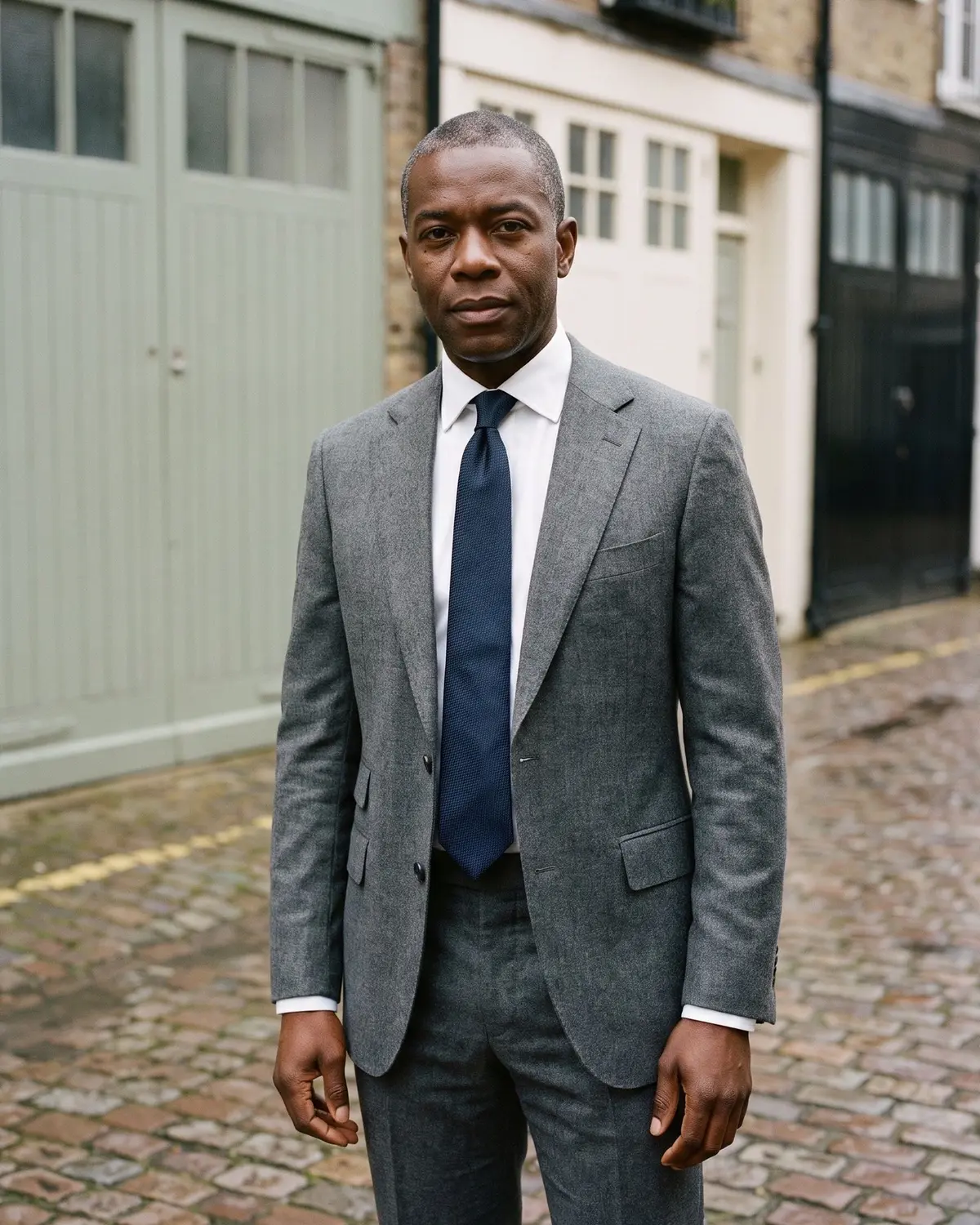
Here the tie becomes optional. A jacket or blazer with trousers in a different cloth, a shirt with a collar, leather shoes. Many men leave the tie off; a man who wears one is never wrong.
A navy blazer with grey trousers is the classic pairing, and it takes almost any tie: a stripe, a spot, something in wine or gold.
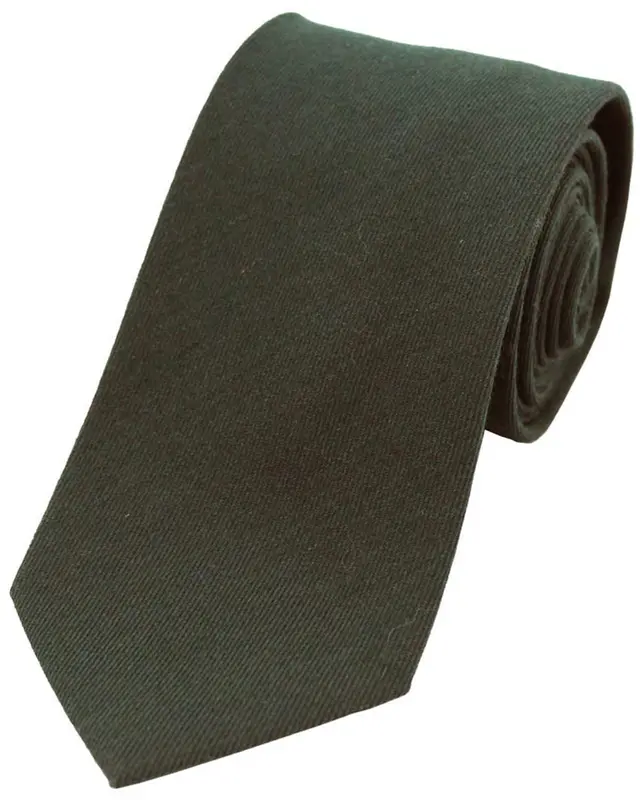
If you wear one, choose texture over shine: a wool-rich tie, a woven herringbone or a knitted silk. They look deliberate with a blazer in a way a glossy office tie does not.
Smart casual
The loosest of the four, and the hardest to read. Smart trousers or chinos, a jacket if you like, an open collar. A tie is rarely expected.
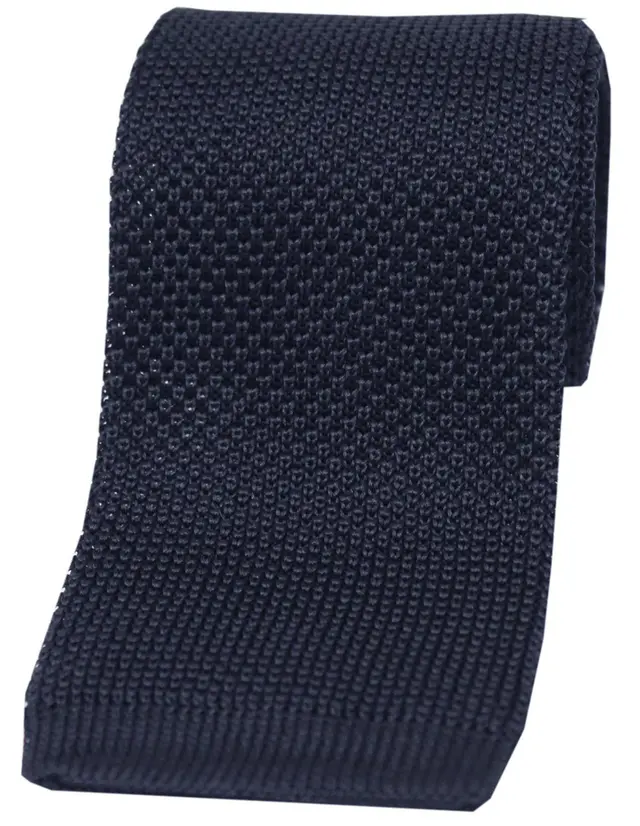
The exception is the knitted tie. Square-ended, about 7cm wide and soft in texture, it sits happily with a tweed jacket, an oxford or denim shirt and suede shoes. It says “dressed” without saying “office”.
Tie it in a simple four-in-hand and leave it a touch loose. A big knot in a knitted tie looks as if it is trying too hard.

When a tie is expected
- At a job interview, unless you have been told otherwise — see what to wear to a job interview.
- When the client, the panel or the person you are meeting will be wearing one.
- At board meetings, formal presentations and anything with a printed agenda.
- At a formal lunch or dinner, and wherever the invitation says business formal.
When in doubt, wear it. It is easier to take a tie off in the lift than to find one.
Ties for uniforms and staff
Hotels, schools, shops, security firms and bands often dress a whole team in one tie. For that, look at our corporate ties: plain colours, many in ribbed polyester, which stands up to daily wear and looks the same on every member of staff.
The navy ribbed polyester tie is the plainest of them, and suits most uniforms built around navy, grey or black.
For front of house — a hotel reception, a concierge desk — a silk tie in the house colour does the same job with a little more polish.
Questions
Anything else? Call us on +44 (0)20 3232 5900
Does business casual mean no tie?
Not necessarily. It means a tie is optional: you will never be underdressed in one, and a wool or knitted tie suits the code well.
What is the difference between business formal and business professional?
Business formal is the dark suit, white shirt and quiet tie of the boardroom. Business professional is the everyday suit and tie, with more room for colour and pattern.
Can you wear a tie with smart casual?
Yes. A knitted or wool tie with a jacket and an oxford shirt is smart casual done well; leave the shiny silk for the office.
What colour tie looks most professional?
Navy and wine, in a plain silk or a quiet pattern. Between them they suit nearly every suit and shirt, and never look out of place in a meeting.
What ties are best for staff uniforms?
Plain ties in a hard-wearing cloth such as ribbed polyester, in one colour for the whole team. Silk suits front-of-house roles where a little more polish is wanted.